
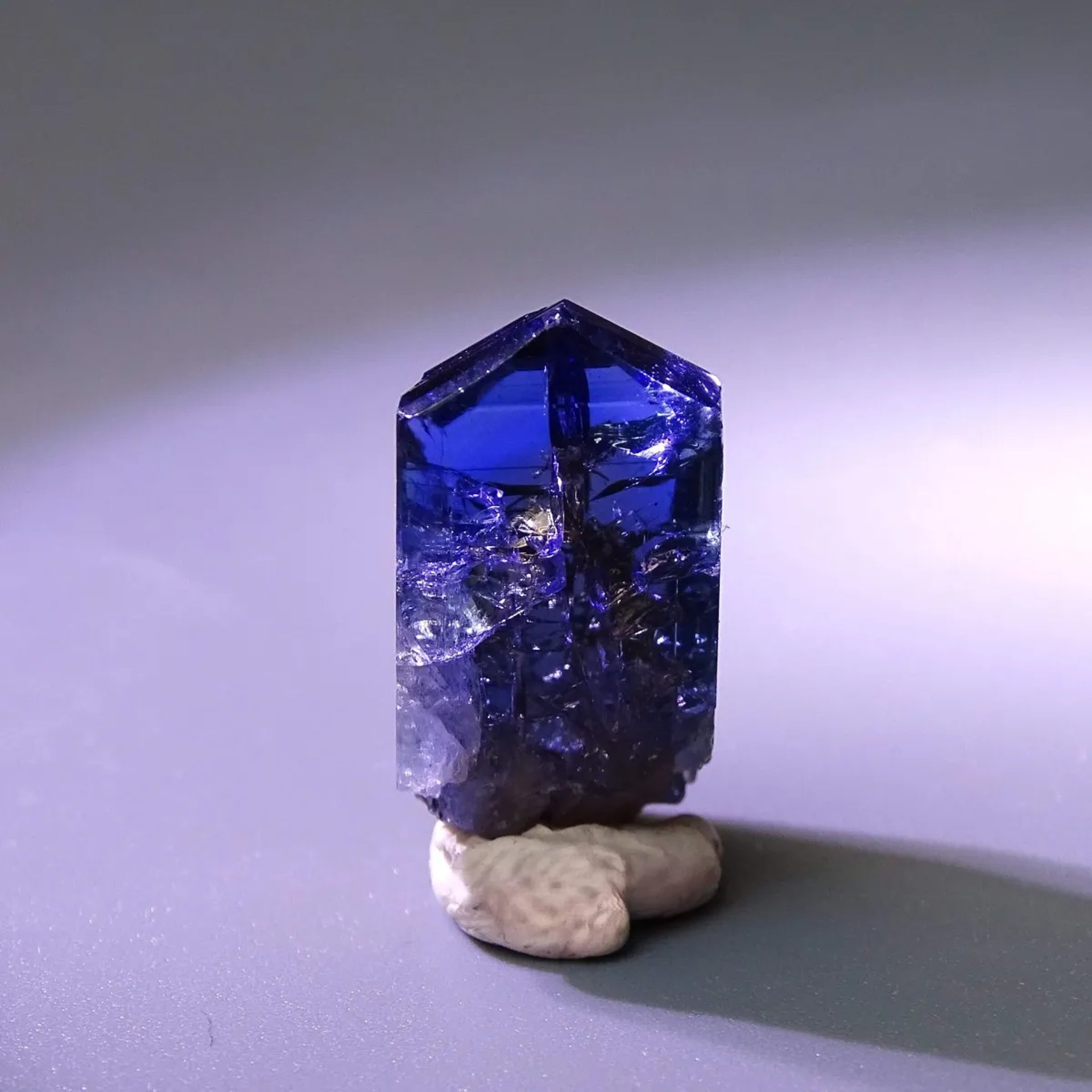
1,000 times rarer than diamonds.
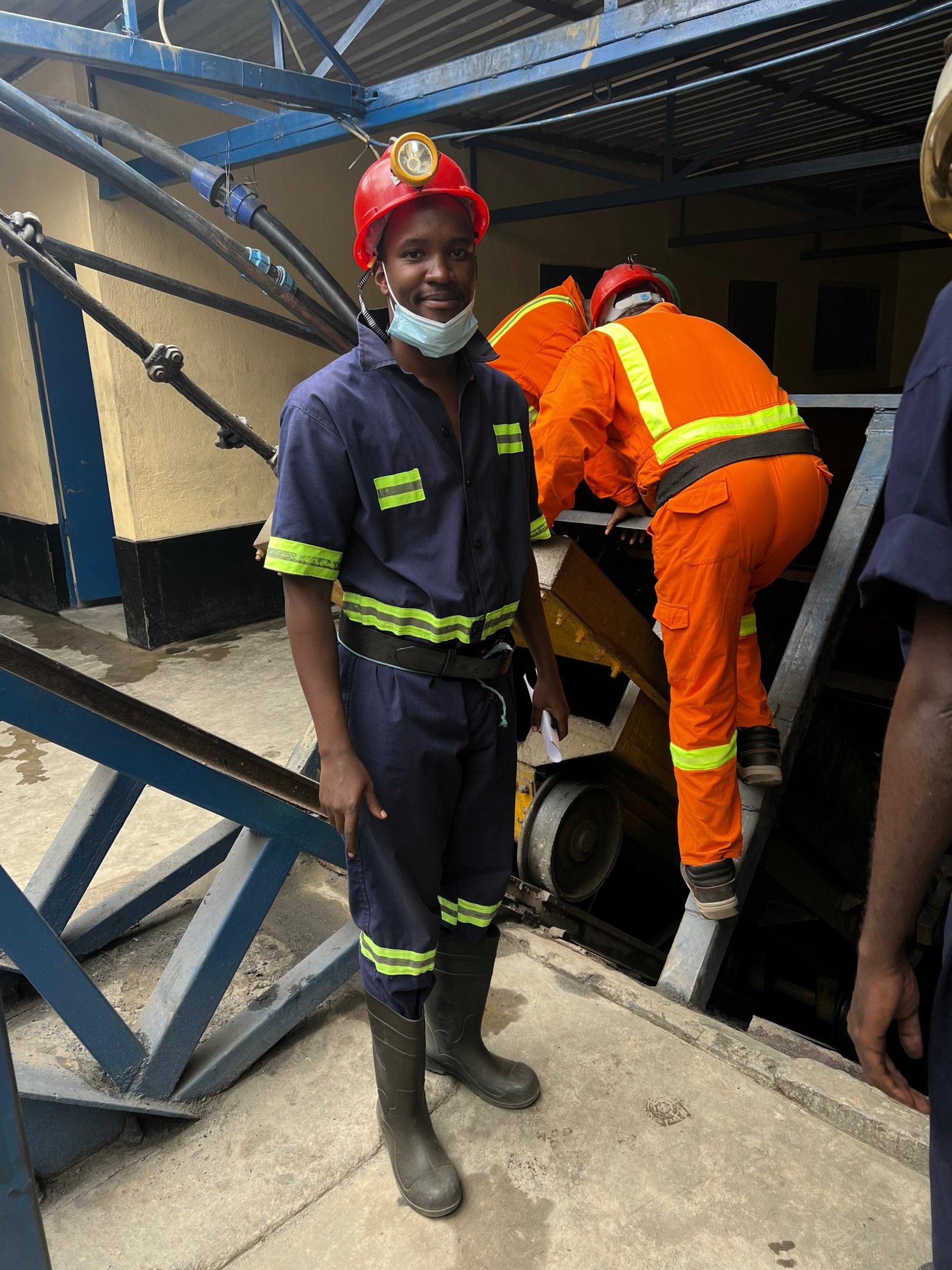
Highlight
Tanzanite
Tanzanite, a rare blue-violet zoisite found only in the Mererani Hills near Arusha, Tanzania, was discovered in 1967 by Maasai tribesman Ali Juuyawatu and prospector Manuel de Souza. Mining has evolved from small-scale artisanal work to regulated, divided blocks (A-D extension), with significant state involvement, culminating in a 2017 boundary wall construction to curb smuggling.
Key Historical Milestones in Tanzanite Mining
Discovery (1967): Maasai herders found blue crystals, with Ali Juuyawatu often credited with the initial discovery, prompting Manuel d'Souza to stake claims.
Naming and Marketing: Tiffany & Co. named the gemstone "tanzanite" in 1968 after its only known location, driving international popularity.
Nationalization: In the 1970s, the Tanzanian government took over mining operations, though illicit mining persisted.
Mererani Blocks: The mining area is divided into four main blocks (A, B, C,D and D Extension), where small-scale miners operate alongside larger, more commercialized operations.
Mechanization (2000s): Large-scale,, mechanized mining was introduced, with TanzaniteOne Mining becoming a dominant operator in Block C.
The Mining Wall (2017): President John Magufuli ordered the construction of a wall around the Mererani mining site, a 24-kilometer barrier to prevent smuggling and regulate access.
Record Finds (2020): Miner Saniniu Laizer found two of the largest tanzanite stones in history (9.3 kg and 5.1 kg), highlighting the continued potential of the area.

Contacts
info@amaniexpeditions.com
Copyright © 2026 Amani Expeditions Limited. All Rights Reserved.
Popular Packages
+255 655 590 038
Amani Expeditions
Travel Tips
+1 437 833 0393